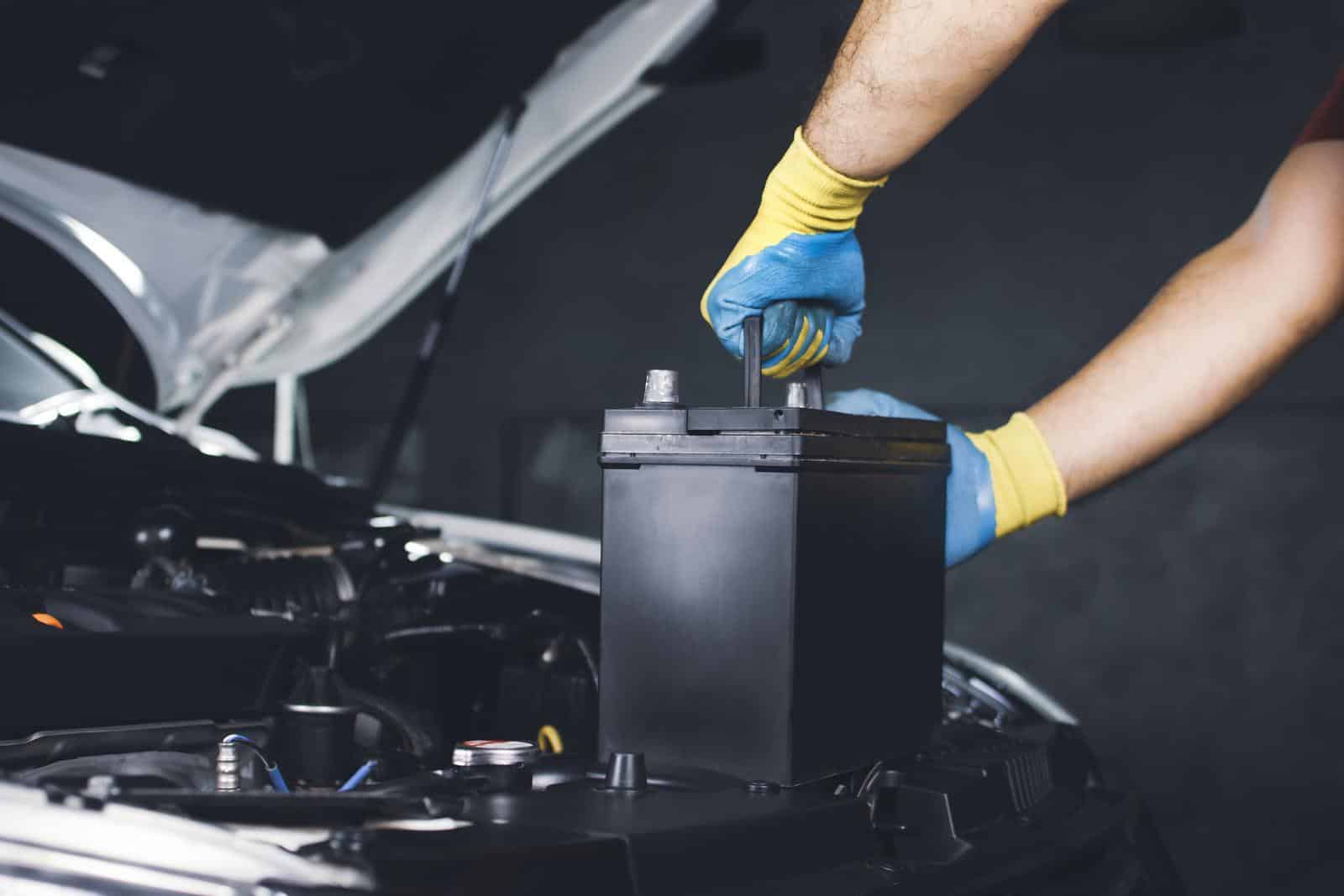

Car Battery Overcharging: Causes, Signs & How to Fix It Fast
📝 Disclosure: This article contains affiliate links. If you purchase products through these links, we may earn a small commission at no extra cost to you. This helps support our site and allows us to continue creating helpful content. Read our full affiliate disclosure.
You’ve probably tried this before:
Your battery dies unexpectedly. You search “why does my car battery keep dying” hoping to find a simple fix—maybe it’s just old, or you left a light on.
What you find instead? Dozens of articles about undercharging, parasitic drains, and weak alternators.
But here’s what nobody mentions: your alternator might be doing TOO MUCH, not too little.
You check the battery—it’s swollen. Hot to the touch. There’s a weird sulfur smell. And suddenly you realize: you’ve been overcharging your battery this whole time, and it’s been slowly cooking itself to death.
The worst part? While undercharging takes weeks or months to kill a battery, overcharging can destroy one in hours—and potentially damage your entire electrical system, cause acid leaks, or in extreme cases, trigger an explosion.
Sound familiar?
Here’s what nobody tells you: Overcharging isn’t a battery problem—it’s an alternator or voltage regulator problem. And if you don’t catch it early, you’re not just replacing a $150 battery. You’re looking at corroded terminals, fried electronics, and repair bills that could hit four figures.
And when you catch overcharging early?
Car owners who spot the warning signs save hundreds by replacing a $30-50 voltage regulator instead of an entire alternator. DIYers with a basic multimeter diagnose the problem in 5 minutes—before any permanent damage occurs. And drivers who understand the 8 telltale symptoms never get stranded by a battery that was “just working yesterday.”
That’s exactly what this guide delivers: the complete breakdown of what causes overcharging, how to spot it immediately, and exactly how to fix it—whether you’re doing it yourself or taking it to a mechanic.
Let’s get started.
⚠️ Quick Answer: What is Car Battery Overcharging?
Overcharging occurs when your alternator supplies more than 14.8 volts to the battery.
Normal charging voltage: 13.8 – 14.5 volts
Overcharging threshold: Above 14.8 volts
Main causes: Faulty voltage regulator or bad alternator diodes
Warning signs: Swelling battery case, extreme heat, rotten egg smell, corrosion
Danger: Can kill battery in hours; risk of acid leak, fire, or explosion
What is Battery Overcharging?
Battery overcharging happens when the voltage supplied to your car battery exceeds its maximum safe rating. A healthy charging system should output between 13.8 and 14.5 volts. Anything consistently above 14.8 volts is overcharging your battery.
When voltage exceeds safe levels:
- Battery cells become overloaded with electrical energy
- Excessive heat builds up inside the battery
- Electrolyte fluid boils off (you lose water faster than normal)
- Internal plates warp and degrade
- Hydrogen gas builds up (explosion risk)
Unlike undercharging—which slowly weakens a battery over weeks or months—overcharging can permanently damage a battery within hours or days.
👉 Related: Why Your Car Battery Voltage is Low (the opposite problem)
What Causes Car Battery Overcharging?
Overcharging is almost always caused by a malfunction in the charging system—specifically the alternator or voltage regulator.
1. Faulty Voltage Regulator
The voltage regulator is the “governor” that controls how much charge the alternator sends to the battery. When it fails:
- It can’t limit voltage output properly
- The alternator sends too much power to the battery
- Battery receives 15, 16, or even 17+ volts continuously
Good news: On many vehicles, the voltage regulator can be replaced separately ($30-80 part) without replacing the entire alternator.
2. Failed Alternator Diodes
Alternators contain diodes that convert AC power to DC. When one or more diodes fail:
- Voltage output becomes erratic or excessively high
- The alternator may overcharge even with a working regulator
- Usually requires full alternator replacement ($150-400+)
[Image: Mechanic testing alternator output with multimeter]
3. Incorrect Charger Settings (External Charging)
If you’re using a manual battery charger:
- Setting voltage too high (above 14.8V) causes overcharging
- Leaving the charger connected too long without monitoring
- Using a charger without automatic shutoff
💡 Solution: Use a smart charger or trickle charger that automatically stops when the battery is full.
8 Warning Signs Your Battery is Overcharging
Catch these symptoms early to prevent permanent damage:
| Sign | What to Look For | Severity |
|---|---|---|
| 1. Swelling/Bulging Case | Battery sides look bloated or warped | 🔴 Severe |
| 2. Extreme Heat | Battery is hot to the touch (not just warm) | 🔴 Severe |
| 3. Rotten Egg Smell | Sulfur/hydrogen sulfide odor near battery | 🔴 Severe |
| 4. Low Electrolyte Level | Fluid below plates (check fill caps if accessible) | 🟠 Moderate |
| 5. Heavy Corrosion | White/green buildup on terminals, rapid formation | 🟠 Moderate |
| 6. Battery Dashboard Light | Warning light stays on while driving | 🟡 Early Warning |
| 7. Headlights Too Bright | Lights brighter than normal, especially at idle | 🟡 Early Warning |
| 8. Slow Engine Crank | Sluggish starting despite “full” battery | 🟡 Early Warning |
⚠️ DANGER: If you see a swollen battery case, smell sulfur, or notice the battery is extremely hot—do not attempt to charge or jump-start the vehicle. An overcharged battery can explode. Allow it to cool, disconnect it safely, and replace it immediately.
How to Test for Overcharging (DIY Multimeter Check)
You can diagnose overcharging in 5 minutes with a basic multimeter. Here’s how:
What You’ll Need:
- Digital multimeter (set to DC voltage, 20V range)
- Running vehicle
Step-by-Step Test:
- Start your vehicle and let it idle
- Set multimeter to DC voltage (20V scale)
- Touch red probe to positive (+) battery terminal
- Touch black probe to negative (-) battery terminal
- Read the voltage on the display
Interpret Your Results:
| 13.8 – 14.5 volts | ✅ Normal charging – healthy system |
| 14.5 – 14.8 volts | ⚠️ High side of normal – monitor closely |
| Above 14.8 volts | 🔴 OVERCHARGING – needs immediate attention |
| Below 13.5 volts | 🔵 Undercharging – alternator may be weak |
💡 Pro Tip: Rev the engine to 2,000 RPM and check again. If voltage spikes above 15V under load, you likely have a failing voltage regulator.
👉 Learn more: How to Charge a Car Battery Properly
Recommended Testing Tools
Having the right tools makes diagnosing overcharging quick and accurate:
| Product | Best For | Price | Link |
|---|---|---|---|
| INNOVA 3320 Multimeter | Voltage testing (DIY friendly) | $20-25 | Check Price → |
| ANCEL BA101 Battery Tester | Complete battery health analysis | $30-40 | Check Price → |
| TOPDON AL500 OBD2 Scanner | Reading charging system codes | $35-45 | Check Price → |
| Clore SOLAR BA9 Tester | Professional-grade diagnostics | $80-100 | Check Price → |
How to Fix an Overcharging Battery
If your testing confirms overcharging, here’s what to do:
Step 1: Stop Driving (If Severe)
If your battery is swollen, extremely hot, or smells like sulfur, stop driving immediately. Continuing to run the vehicle risks:
- Battery explosion
- Acid leaks damaging engine components
- Electrical system damage
Step 2: Diagnose the Root Cause
Overcharging is almost always caused by:
- Faulty Voltage Regulator – Can sometimes be replaced separately ($30-80)
- Bad Alternator Diodes – Usually requires full alternator replacement ($150-400+)
- Faulty External Charger – Replace with a smart charger
Step 3: Replace the Damaged Battery
An overcharged battery is usually permanently damaged. Signs you need replacement:
- Swollen or warped case
- Won’t hold a charge
- Internal plates are damaged (visible through translucent case)
👉 Need help? How to Change a Car Battery
Step 4: Repair or Replace the Alternator/Regulator
After replacing the battery, you MUST fix the charging system or the new battery will also be destroyed.
- DIY option: If your vehicle has a separate voltage regulator, you may be able to replace it yourself
- Professional repair: Most modern vehicles have the regulator built into the alternator—full replacement required
Expected costs:
| Voltage regulator (separate) | $30 – $80 (part) + labor |
| Alternator replacement | $150 – $400 (part) + $100-200 labor |
| New battery | $100 – $250 |
How to Prevent Battery Overcharging
While you can’t always prevent alternator failures, regular monitoring helps you catch problems early:
- Check voltage monthly – A quick multimeter test takes 2 minutes
- Inspect terminals regularly – Rapid corrosion buildup can indicate overcharging
- Listen for belt noise – A failing alternator often squeals before dying
- Watch dashboard lights – Battery warning light means something’s wrong
- Use smart chargers – For external charging, use automatic shutoff chargers
👉 Maintenance tip: How to Clean Car Battery Corrosion
Best Smart Chargers (Prevent Overcharging)
A smart charger automatically stops charging when your battery is full—eliminating the risk of overcharging during external charging:
| Charger | Best For | Features | Link |
|---|---|---|---|
| NOCO Genius5 | Most car batteries | 5A, maintains & repairs, spark-proof | Check Price → |
| NOCO Genius10 | Larger batteries, faster charging | 10A, all battery types, force mode | Check Price → |
| Battery Tender Plus | Long-term maintenance | 1.25A trickle, float monitoring | Check Price → |
| Schumacher SC1281 | Heavy-duty use | 30A boost, engine start, auto voltage | Check Price → |
Potential Damage from Overcharging
Unlike undercharging (which takes weeks to cause damage), overcharging can destroy components within hours:
- Battery failure – Internal plates warp, cells short out
- Terminal corrosion – Acid gases cause rapid buildup
- Acid leaks – Damages engine bay, chassis, even garage floors
- Electronic damage – Voltage spikes can fry sensors and modules
- Cable damage – Heat melts insulation
- Fire/explosion risk – Hydrogen gas buildup in extreme cases
💰 Cost of Early Detection: Catching overcharging early (with a $20 multimeter) can save you $500+ in battery replacement, electrical repairs, and potential towing fees.
Frequently Asked Questions
What voltage is considered overcharging a car battery?
Any voltage consistently above 14.8 volts while the engine is running is considered overcharging. Normal charging voltage is between 13.8 and 14.5 volts. Voltage between 14.5-14.8V is on the high side of normal and should be monitored. If you see 15V or higher, your charging system needs immediate attention.
Can an overcharged car battery explode?
Yes, in extreme cases an overcharged battery can explode. Overcharging causes the electrolyte to boil, producing hydrogen gas. If this gas accumulates and encounters a spark (from connecting cables or nearby electrical components), it can ignite. This is why you should never attempt to charge or jump-start a visibly swollen or extremely hot battery.
How do I know if my alternator is overcharging my battery?
Test with a multimeter while the engine is running. Touch the probes to the battery terminals—if you read above 14.8 volts (especially above 15V), your alternator is overcharging. Other signs include unusually bright headlights, a battery warning light, swelling battery case, rotten egg smell, or rapid corrosion on terminals.
What causes an alternator to overcharge?
The most common cause is a faulty voltage regulator, which controls the alternator’s output. When the regulator fails, it can’t limit voltage properly. The second common cause is failed diodes inside the alternator itself. In either case, the alternator sends too much power to the battery, causing damage.
Can I drive with an overcharging alternator?
You should avoid driving with a confirmed overcharging condition. Short-term (to get to a mechanic), it may be okay if the battery isn’t showing severe symptoms. But continued driving risks permanent battery damage within hours, potential damage to your vehicle’s electronics, and in extreme cases, battery explosion. Get it repaired as soon as possible.
Will a new battery fix overcharging?
No. A new battery will NOT fix overcharging—it will just become the next victim. Overcharging is caused by the charging system (alternator/voltage regulator), not the battery itself. You must repair the root cause (usually replacing the voltage regulator or alternator) before installing a new battery, or the new battery will also be destroyed.
Conclusion
Car battery overcharging is less common than undercharging, but far more destructive. While a weak alternator slowly drains your battery over weeks, a faulty voltage regulator can kill it in hours.
Key takeaways:
- ✅ Normal charging voltage: 13.8 – 14.5V
- ⚠️ Overcharging: Above 14.8V
- 🔴 Warning signs: Swelling, heat, sulfur smell, rapid corrosion
- 🔧 Root cause: Usually voltage regulator or alternator diodes
- 💰 Prevention: Monthly voltage checks with a $20 multimeter
If you notice any overcharging symptoms, test immediately with a multimeter. Catching this problem early can save you hundreds in repairs and prevent dangerous situations.
Related Articles:
- How to Charge a Car Battery Properly
- How to Disconnect a Car Battery Safely
- How to Change a Car Battery
- How to Clean Car Battery Corrosion
- Can a Flat Car Battery Recharge Itself?
- Why Your Car Battery Voltage is Low
Author: Victor Jaxen
Victor Jaxen is a Sales and Marketing Manager in the automotive industry with over twenty years of experience. He holds a Master of Engineering (MEng) in Manufacturing Engineering from Cardiff University and specializes in car batteries, electrical systems, and automotive engineering. Follow annewetey.com for more automotive guides and tips.